20 November 2026
What to check before booking an abu dhabi day trip from dubai
Presented by @abudhabicitytourcorner
Check before you go: what matters most
Planning a day trip from dubai to abu dhabi sounds simple enough. You hop in a car or a bus, spend a few hours exploring, and return by evening. But anyone who has made the journey knows that small oversights can turn a smooth day into a rushed, frustrating one. The distance between the two cities is only about 140 kilometres, yet traffic, timings, and entry rules vary more than most first-timers expect. This article walks through the essential points to confirm before you lock in your plans. Each point has a practical reason behind it, so you can decide what fits your own style of travel.
Departure time and traffic windows
The road between dubai and abu dhabi is the e11, better known as sheikh zayed road. It is a fast highway most of the day, but peak hours create serious delays. Friday mornings are lighter because the weekend starts on a different rhythm, while sunday evenings see heavy return traffic. If you leave dubai after 7:30 am on a weekday, you risk sitting in congestion for an extra 30 to 45 minutes. The same applies to the return leg after 5 pm. A good rule is to check google maps or a local traffic app on the morning of your trip. The journey can take anywhere from 75 minutes to over two hours. Knowing that window helps you set a realistic schedule and avoids the stress of watching the clock while stuck in a jam.
Entry requirements and dress code
Abu dhabi has its own set of rules for certain attractions. The sheikh zayed grand mosque, for example, enforces a strict dress code for all visitors. Men should wear trousers that cover the ankles and a shirt with sleeves. Women need to cover their hair, arms, and legs. Loose, ankle-length abayas are available at the entrance if you arrive unprepared, but queuing for one costs time. Some cultural sites also require advance booking for specific time slots. The louvre abu dhabi operates on a timed entry system, and same-day slots can sell out during peak season. Check each venue's website the day before your trip. A quick look saves you from arriving at a gate that turns you away.

Costs and hidden fees
Budget planning for a day trip involves more than the transport fare. Parking fees in central abu dhabi can surprise drivers who are used to dubai's free parking zones. Many paid lots near the corniche charge by the hour, and leaving your car for a full day adds up. If you take a coach tour, confirm whether the price covers entrance tickets or just the ride. Some operators advertise a low base rate and add optional fees for the mosque, the louvre, or the presidential palace. The same applies to food stops. Lunch at a mall food court costs a fraction of a sit-down restaurant near the waterfront. The key is to ask before you hand over any money. A transparent operator will list what is included and what is not.
What to pack for the day
The climate in abu dhabi differs slightly from dubai, mainly because the city sits closer to the open desert and the sea breeze changes the feel. Even in cooler months, the sun is strong. Sunscreen, sunglasses, and a hat are not optional if you plan to walk outside. Water is available everywhere, but carrying a refillable bottle saves small purchases throughout the day. Comfortable shoes matter more than most people think. The mosque and the louvre involve significant walking on marble and stone floors. Heels or new sandals will make the last hour miserable. A light jacket or scarf is useful for air-conditioned indoor spaces, which can be surprisingly cold. And if you plan to visit a beach or a park, check whether swimwear is allowed. Public beaches in abu dhabi have designated zones, and some require a cover-up between the water and the changing rooms.
Time management for multiple stops
Abu dhabi is spread out. The major attractions are not clustered in a single district. The grand mosque sits near the highway on the outskirts, the louvre is on saadiyat island, the corniche runs along the coast, and the qasr al watan palace is a separate drive. You cannot see all four in a single day without skipping something or rushing through each one. A realistic itinerary picks two or three stops and leaves breathing room for lunch and travel between them. Many travellers underestimate the time needed inside the louvre alone. The museum is large, and the exhibits reward slow looking. An hour is too short for most people. Plan for at least two hours there if art interests you. For the mosque, the free guided tour lasts about 45 minutes, and the surrounding grounds add another 20 to 30 minutes for photos. Factor those numbers into your schedule, not the drive time alone.
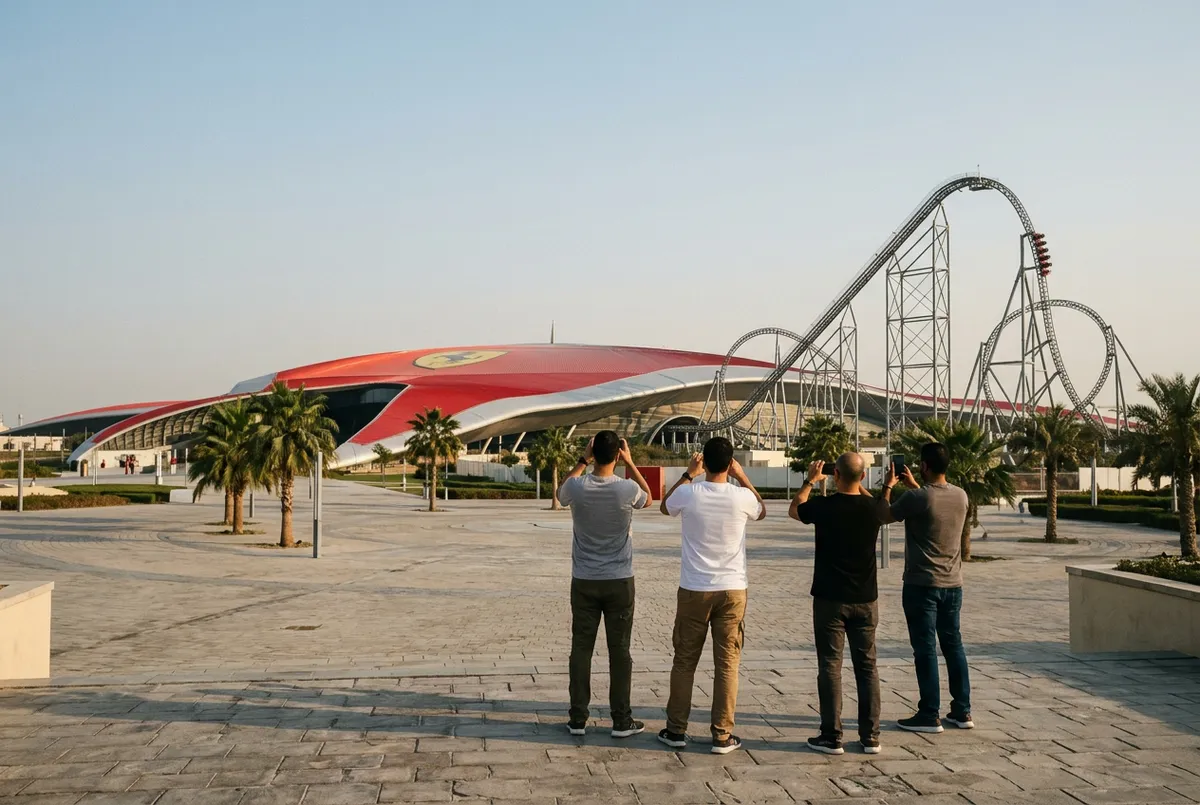
A well organised day trip balances ambition with practicality. One option that many visitors consider is an Abu Dhabi City Tour that bundles transport and entry to the main sites. Such tours handle the logistics of timing, parking, and ticketing, leaving you free to focus on the experience. The key is to choose a tour that matches the pace you prefer. Some operators pack in as many stops as possible, while others leave free time at each location. Read the itinerary carefully before you book. A tour that promises five stops in eight hours may involve more bus time than sightseeing. A slower tour with three stops and a decent lunch break often feels more rewarding.
What to check about the tour provider
If you decide to book a guided experience, look at recent reviews on independent platforms. Pay attention to comments about punctuality and vehicle condition. A tour that leaves late and returns later than advertised cuts into your evening plans. Check whether the provider uses air-conditioned coaches with reclining seats. The drive is comfortable, but a cramped bus makes the journey feel longer. Also confirm what happens if a site is closed on the day of your visit. Some museums close on mondays, and the mosque may close for prayers on fridays. A good operator will have a backup plan or offer a refund. The brand Abu Dhabi City Tour is one example among several that you can research. The important point is to verify the details yourself rather than assume everything is included. A quick email or phone call to the provider clarifies the inclusions and gives you a record of what was promised.
Final practical checks
Before you leave dubai, confirm your return plan. If you are driving, check your car's salik balance for the toll gates on sheikh zayed road. If you are on a tour bus, note the meeting point and time for the return journey. Phone reception between the two cities is strong, but keep a screenshot of the meeting location in case your data signal drops. Also carry a small amount of cash. Many smaller shops and taxi drivers prefer cash over card, especially for short trips or small purchases. Finally, let someone know your general plan. It is a simple safety step that many travellers skip. A text to a friend or family member with the tour name and expected return time takes ten seconds and provides peace of mind.

A day trip from dubai to abu dhabi is one of the most rewarding excursions in the uae when you prepare the right things. Traffic, entry rules, costs, and timing all play a role in how smooth the day feels. By checking these points before you book, you set yourself up for a relaxed, memorable visit rather than a rushed checklist of stops. The effort of planning pays off the moment you walk into the mosque courtyard or stand in front of a masterpiece at the louvre. Take the time to get the details right, and the day will take care of itself.